
Click here to download a printable copy of this story!
Hello! This set of Bible verses starts with the divine love our Creator shows to the sheep who choose to follow their Shepherd, and ends with how to avoid the destiny of the goats who choose to reject Him. It is risky to focus on the pleasant milk-of-the-Word ideas in the Bible and ignore the meatier parts of God’s plan for ALL people, which includes our need to humbly defer to His authority.
The panels in the first half of the selection are comforting for all believers while reminding us that we have a part to follow in our relationship with God. They are also useful to share with people that are friendly to but still uncommitted to Christianity. The second half is important for any believers that are trying to keep a casual attitude about their Creator’s authority as Lord over them. The last panel reminds us all that EVERY person will eventually be placed by the Messiah into eternity. It is critical to use our free will to make the right choice for Him in life now while we still can.
The colorful gems surrounding the amber Cross and in the Easter and Christmas pictures are meant to show God’s Spirit in all the different types of people who are part of Christ. Compare them to the lumps of coal in the last image that suffer the same fate as the serpent, an eternity in the pit without God. Also notice in the last image the dove (God’s Holy Spirit) is not carrying an olive branch peace symbol like in the second panel; it’s all about condemnation with no peace after the Judgment. Unfortunately this is the fate for all who try to ignore the destiny that the loving God of the Bible tries to save us from.
Please review these ideas for yourself now and consider sharing with others you think could benefit from them!
So… sheep or goat?
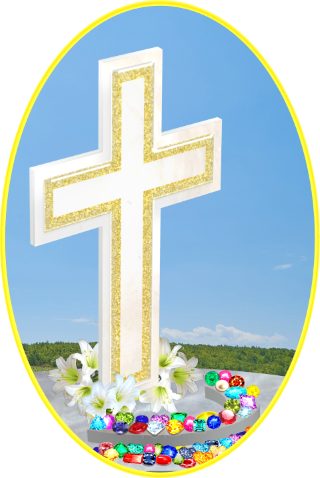
God loves us as children and sent the Son so we could have life through Christ!
We can learn to cherish dearly only because of His divine love for us.
1Jn 3:1,4:9,19
The original Bible language has multiple words for ‘love’ but none were created specifically to describe Christianity. The highest form is ‘agape’ (sacrificial love), used to describe a rarer level of devotion to people than the more common ‘phileo’ (brotherly love). Neither comes close to describing the divine love that God feels towards those He sacrificed His Son for! After His resurrection Jesus asked Peter if he felt this sacrificial agape for Him (John 21:15–17, refer to a version with literal definitions or footnotes), but Peter could only understand his lower phileo level of love. From Christ’s example we can learn how to love and live as closely to agape for Him and others as possible.
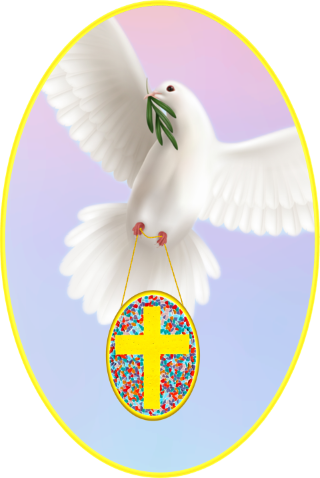
Justified by faith, we have peace with God through our Lord Jesus Christ.
Rom 5:1
The Lord will keep in perfect peace the one whose mind is fixed on Him.
Isa 26:3
In the first verse having peace with someone means there is no strife or anxiety with them. So if we are made just by our faith in Jesus (faith is an action word meaning our behavior is led by our beliefs), we have no fear of condemnation from God. The second verse stresses the need to stay focused on our Creator to enjoy His spirit of peace. The original Bible language words for ‘peace’ that come close to describing this are Greek ‘eiro’ (joined in wholeness) and Hebrew ‘shalom’ (in a complete relationship with God). Consider Peter in Matt 14:27–31 who could actually walk on water while he focused on Jesus, but sank when he was distracted by the wind and waves (the world’s agitations).
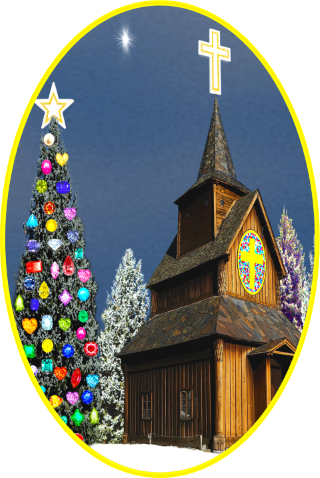
The grace of God has appeared, offering the gift of salvation to all; teaching us to reject worldly desires and live devoutly in this age.
Titus 2:11-12
This salvation is a free gift from God (meaning it cannot be earned), but people must qualify for it by putting their active faith in what they have learned about Christianity so far. In Hebrews 11:4 Abel’s faith affected his attitude and behavior towards God, which made his offering approved and him righteous. Compare that to the merely believing in God level of faith Cain had. He was still focused on his own desires, so God rejected his gift and warned him about the danger of his choices. Faith is more than just believing, it must lead to true repentance (an action item meaning change direction permanently) to receive eternal salvation from God, which will also change how we live now.
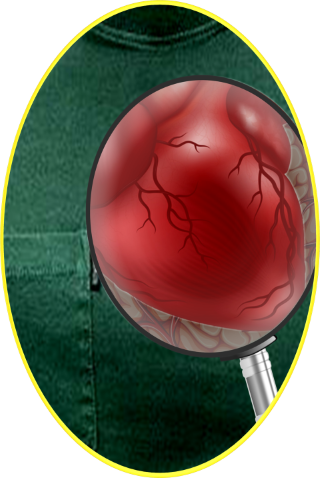
I, the Lord, search the heart, to give to each according to their ways.
Jer 17:10 so:
Examine yourself to see if you are in the faith; to prove if Jesus Christ is in you.
1Jn 3:1,4:9,19
When people refer to the heart this way they mean whatever they have decided is the truth, all the way to the depth of their understanding (Rom 10:10a). Since God can look past the superficial thoughts we try to guide our daily lives with, we should be as sure as possible that we know ourselves that well too. The apostle Peter really believed he would follow Jesus anywhere until he denied even knowing Him three times after He predicted it to him (Luke chapter 22). Peter wept bitterly as he realized how little he actually knew about his own character (heart). We are accountable for learning from the Bible how to actively develop our faith relationship with God (2Pt 1:5-11).
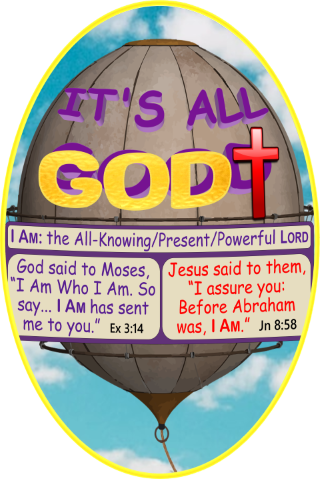
Know that the Lord is God. He made us; we belong to him.
Ps 100:3
We are like clay, and He is the potter.
Isa 64:8
So be humble under His mighty hand.
1Pt 5:6
The gift of free will that God gives all people means we can choose what to believe and then find others to align with. But our Lord and Savior will not change to reward people the way they want (Mal 3:6-7). God has sole authority to decide what is good for all of His creation. Our job is to understand the deception of our sin nature (sense of “self” that interprets things in the most appealing way) so we can see the truth about how we don’t live the way our Creator designed us to be (Gal 6:3-8). Then we will become willing to learn from prayer and Bible study how to allow Him to save and lead us. God wants this for all of us (2Pt 3:9b, 1Tim 2:4, Ezek 18:32), BUT…
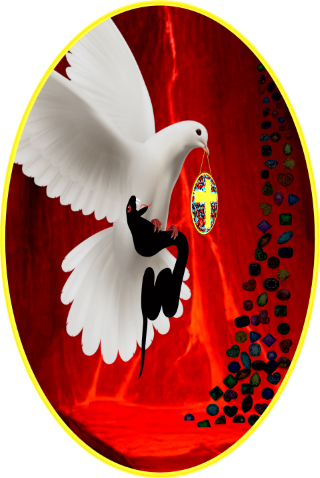
The Messiah will divide the people as a shepherd with sheep and goats.
Mt 25:31-46
Anyone not in the book of life will be cast into the lake of fire.
Rev 20:11-15
EVERY person will eventually face judgment and recognize their Creator as Lord (Isa 45:23, Phil 2:10-11, Rom 14:11, Rev 5:13). Use your free will to choose and live for Christianity now while you still can! John the Baptist’s baptism was for people who wanted to repent, but being baptized into Christ is much more than just adding Jesus’ name to a water baptism (Acts 8:14-17). Study what it means to know our Savior as your Lord so you can declare “Jesus is Lord” to others and know what it means (Rom 10:9-10). Pray often and allow the God of the Bible to reshape your thinking (Rom 12:2). Take up your cross daily (Matt 16:24-27) and follow Him as the child He loves!